Subway Roast Beef Wrap Nutrition Facts
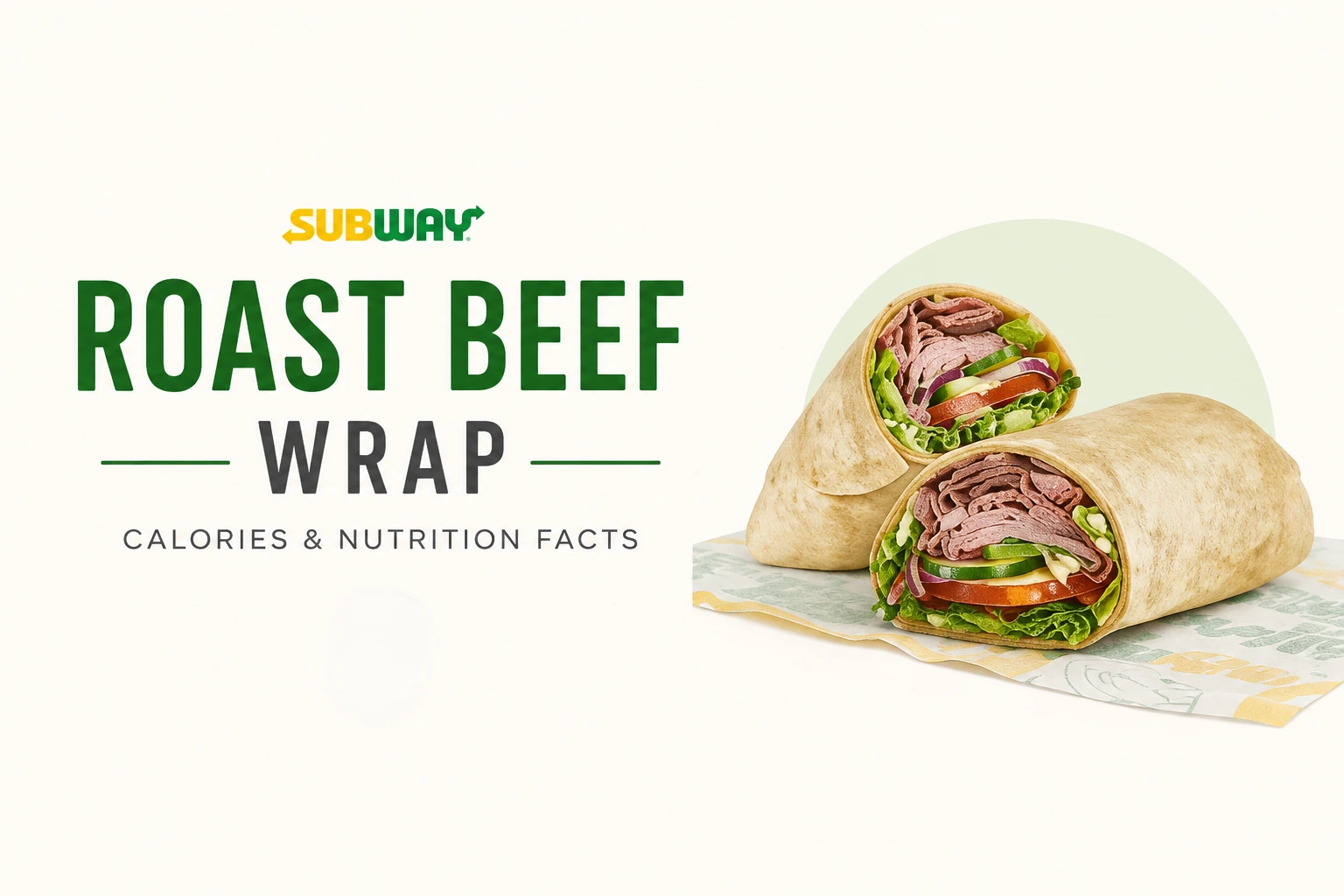
The Subway Roast Beef Wrap contains 660 calories and 48 grams of protein in the standard 337-gram serving.
It comes with sliced roast beef, Provolone cheese, fresh vegetables, mayonnaise, and a flour tortilla.
Note: Nutrition values shown are for the standard Roast Beef Wrap configuration. Customizing the ingredients can change the final nutrition.
What’s in the Wrap?
- 12-inch wrap
- Protein: Sliced roast beef (footlong size)
- Cheese: Provolone
- Vegetables: Lettuce, tomatoes, cucumbers, green peppers, and red onions
- Sauce: Mayonnaise
Protein-to-Calorie Ratio
The Wrap provides approximately 7.3 grams of protein per 100 calories.
That gives it a strong protein-to-calorie ratio for a 660-calorie meal. With 48 grams of protein, the wrap can be a substantial option for someone who wants a high-protein meal at Subway.
Nutritional Drawback
If you’re comparing Subway wraps, sodium is one of the numbers you shouldn’t overlook.
The roast beef Wrap contains 1,600 mg of sodium that’s about 70% of the 2,300 mg daily value for sodium.
This means that even though the wrap provides 48 grams of protein, it can use up a large portion of your daily sodium allowance.
Is the Roast Beef Wrap a Healthy Choice?
The answer depends on what you’re looking for.
The wrap has several nutritional positives. It provides 48 g of protein, 3 g of dietary fiber, and 25% of the Daily Value for iron. It also contains only 6 g of added sugar.
But there are some numbers worth paying attention to.
But as said earlier the biggest concern is sodium. With 1,600 mg of sodium, the wrap provides a substantial portion of the commonly used 2,300 mg daily sodium limit in a single meal.
So, while the wrap can fit into a balanced diet, I wouldn’t describe it as a low-sodium or low-calorie meal. Its strongest nutritional feature is its protein content, while sodium is its biggest drawback.
What About the Fat?
The Wrap contains:
- 27 g total fat
- 8 g saturated fat
- 1 g trans fat
The 8 grams of saturated fat are worth considering if you’re trying to keep saturated fat intake lower.
The wrap isn’t extremely high in total fat compared with some other fast-food meals, but its combination of fat and sodium means that its high protein content shouldn’t be the only factor you consider when deciding whether it fits your diet.
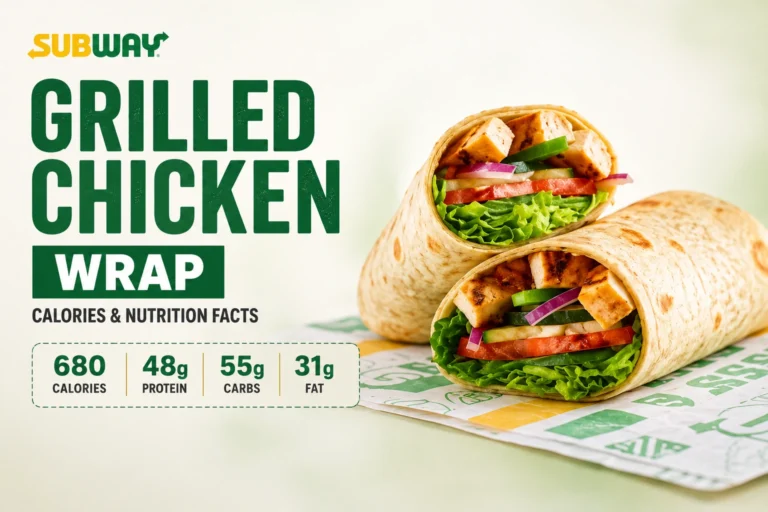
Also See: Grilled chicken wrap nutritional facts
Who Is This Wrap Best For?
The wrap makes the most sense when you want a substantial, protein-heavy meal rather than a lighter option.
With 48 g of protein and 660 calories, it can be a filling choice if you’re looking for a meal that keeps protein relatively high without adding extra sides.
The wrap is less appealing if you’re already eating a lot of salty foods throughout the day or specifically trying to limit sodium due to its high sodium content.
In simple words, this wrap is a better fit if protein and fullness are your priorities. If you’re mainly looking for the lowest-calorie or lowest-sodium Subway wrap, there are likely better options to consider.