
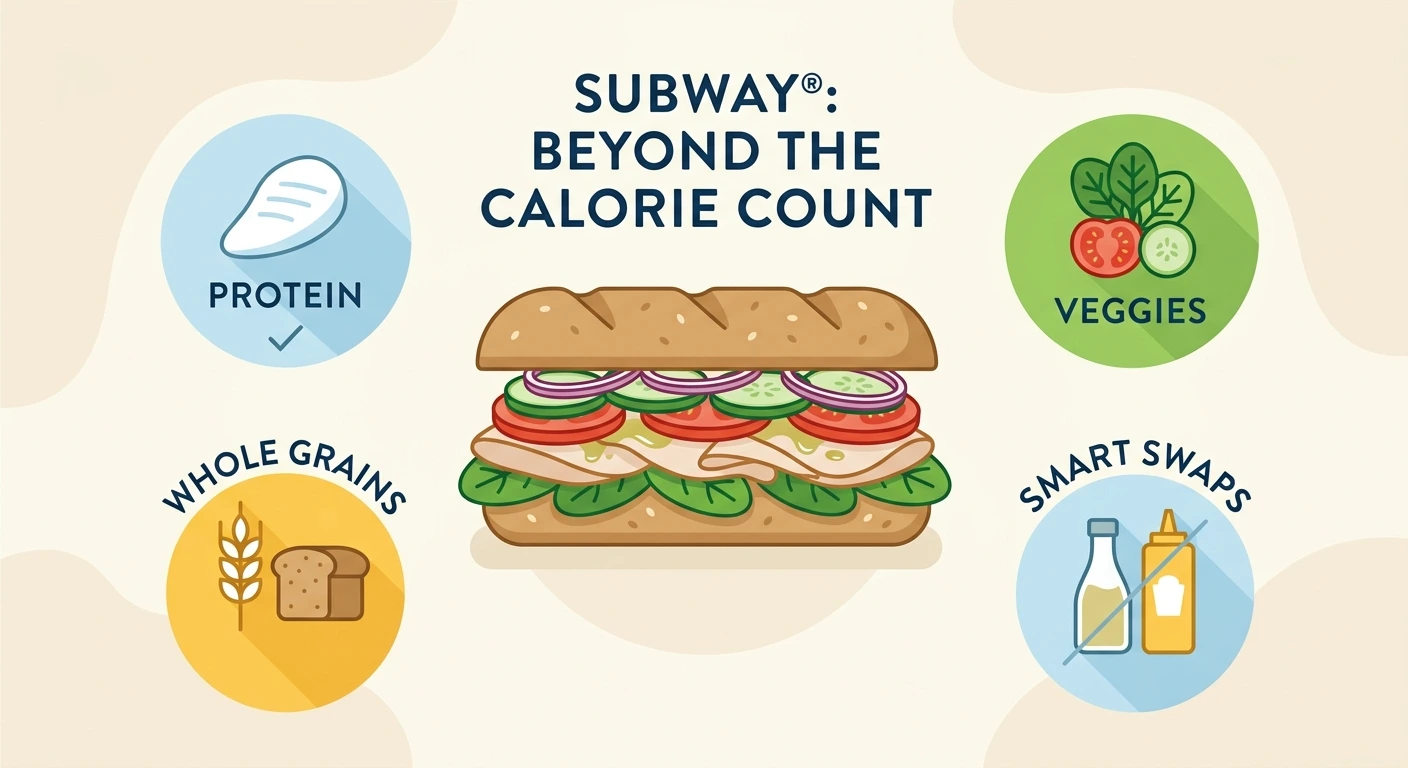
Beyond Calories: What Really Makes a Subway Order Healthy
When you’re ordering at Subway, it’s easy to focus on one number that is calories.
Most of us glance at the menu, spot the lower-calorie option, and assume it’s the healthier choice. It seems like a simple way to make a good decision.
The problem is that calories only tell you how much energy a meal contains, they don’t tell you much about its nutritional quality. Two sandwiches can have nearly identical calorie counts but affect your body very differently.
One might keep you full and energized for hours, while the other leaves you reaching for a snack not long after lunch.
A truly healthy Subway order is about more than keeping calories low. The amount of protein, fiber, vegetables, sodium, and even the type of ingredients you choose all play a role in how satisfying and nutritious your meal actually is.
Here’s what nutrition experts and research recommend paying attention to and why those factors often matter more than the calorie count alone.
Quick Summary
What to check, beyond the calorie count:
Protein
The fullness nutrient
About 25–30g per meal triggers the hormones that signal fullness and helps preserve muscle as you age. Turkey, ham, and chicken are Subway’s leanest ways to get there.
Fiber
The biggest blind spot
More than 90% of women and 97% of men fall short. Vegetables feed gut bacteria, fuel butyrate production, and deliver antioxidant phytonutrients the more variety, the better.
— Ashley Oswald, RDN, Oswald Digestive Clinic
Sodium
Easy to miss, easy to add up
The AHA caps it at 2,300mg a day (ideally 1,500mg) yet some subs pack over 1,000mg from cured meat, cheese, and sauce. Ask for sauce on the side.
Sugar
Hiding in the sauce
Sweet sauces can blow past the AHA’s daily limit of 25–36g fast, and the blood sugar spike they cause brings hunger back sooner.
Bread
The base matters too
Whole grain 9-grain wheat keeps the fiber and nutrients refining strips away slowing digestion so blood sugar, and fullness, stay steadier.
Protein
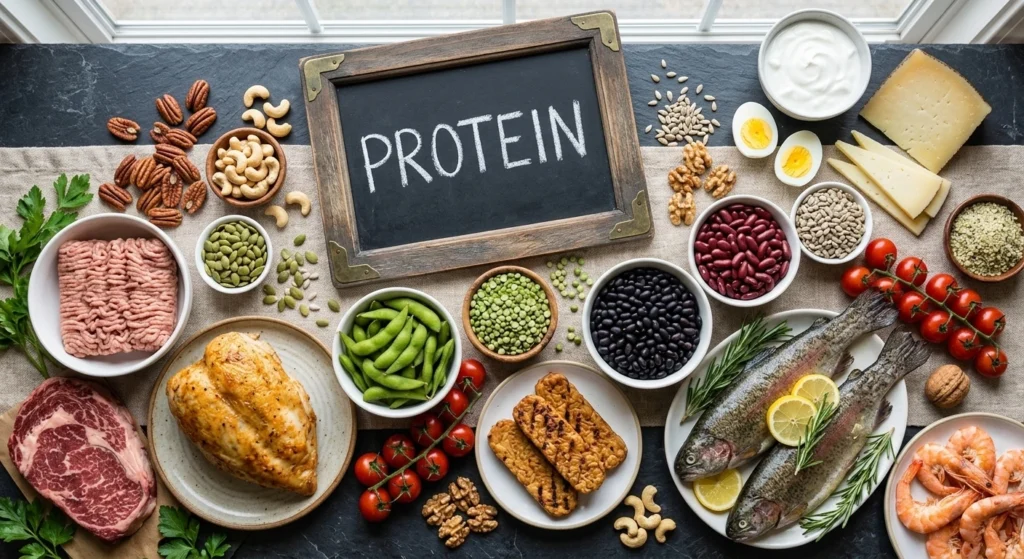
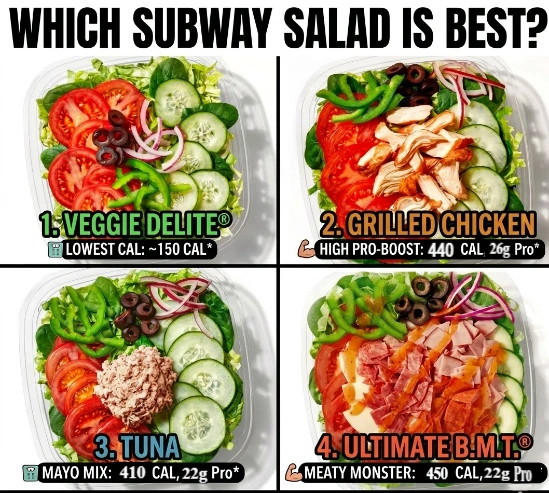
Research consistently shows that higher-protein meals are generally more satisfying than lower-protein meals. Consuming around 25–30 g of high-quality protein per meal does a better job of triggering the hormones that signal fullness, and calming the ones that drive hunger, compared to meals lower in protein.
That’s a big part of why two subs with identical calorie counts can feel completely different an hour later. A sandwich built around a lean protein and stacked with vegetables tends to hold you over.
One built mostly around bread, cheese, and sauce tends to send you hunting for a snack well before your next meal.
Protein’s benefits aren’t just about today’s hunger, either. Getting enough of it consistently also helps preserve muscle mass over time something that matters more with each passing year, since muscle naturally declines with age unless diet and activity work together to maintain it.
At Subway, lean proteins like oven-roasted turkey, ham, and grilled or rotisserie-style chicken are generally the most efficient way to boost protein without piling on saturated fat.
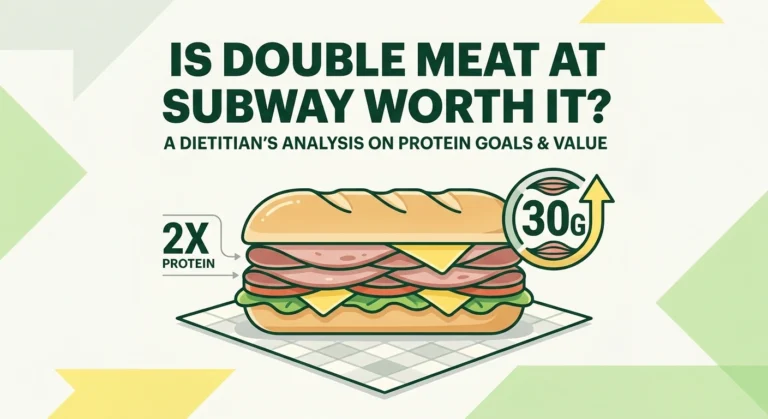
A standard 6-inch sub typically lands somewhere in the high teens to mid-20-gram range for protein, and choosing a protein bowl (bread swapped for extra greens) or adding double meat pushes that number higher still.
If staying full matters to you, protein is worth checking right alongside the calorie count.
Fiber
The fiber gap is larger than most people realize. According to the latest federal analysis of NHANES dietary data, only about 4% of adult men and 11% of adult women meet the recommended intake for dietary fiber meaning roughly 96% of men and 89% of women still fall short.
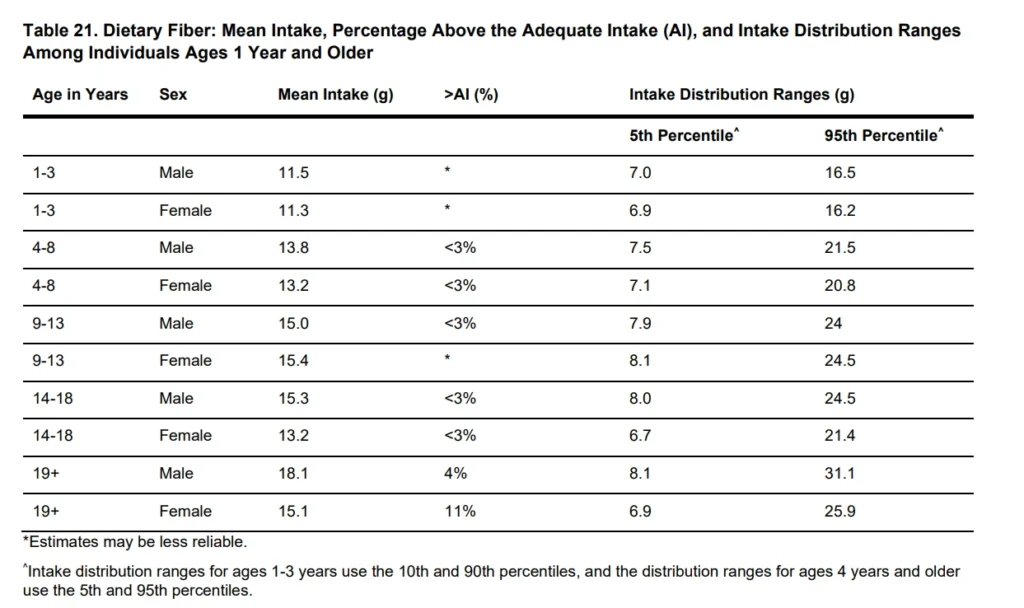
That gap shows up in everything from digestion to blood sugar control to how long a meal actually keeps you full.
Ashley Oswald, RDN, LD, IFNCP, CLT and the founder and CEO of Oswald Digestive Clinic, says the fix is often simpler than people expect:
“Adding more produce is one of the easiest ways to make a Subway sandwich more nutritious and satisfying. Aim for a generous amount and several different vegetables rather than relying on only a small amount of lettuce and tomato.”
Here’s what that extra produce is actually doing for you:
1. It closes the fiber gap – Vegetables add fiber that supports digestion, steadies blood sugar, and helps you feel full for longer exactly the area where most people are falling short.
2. It feeds your gut bacteria – Different plant fibers act as prebiotics, meaning they feed the beneficial bacteria or probiotics already living in your digestive tract.
3. It supports butyrate production – When beneficial bacteria ferment certain fibers, they produce butyrate, a short-chain fatty acid that nourishes the cells lining the colon, strengthens the intestinal barrier, and helps regulate inflammation.
4. It delivers phytonutrients – These are protective compounds found naturally in plants that support your body’s antioxidant and anti-inflammatory defenses. Polyphenols, one major group of phytonutrients, also help beneficial gut bacteria thrive.
5. It adds nutrient variety – Different vegetables bring different fibers, vitamins, minerals, and phytonutrients. Piling on spinach, tomatoes, peppers, onions, and cucumbers builds a far more nutrient-dense sandwich than lettuce and tomato alone.
Loading up on veggies isn’t just about crunch or color. It barely moves the calorie count, but it meaningfully changes what the meal does for your body both today and over the long run.
Sodium

Sodium doesn’t show up on the calorie count at all, which is exactly why it’s easy to overlook. The American Heart Association recommends capping sodium at 2,300 milligrams a day, with an ideal limit closer to 1,500 milligrams for many adults.
Yet the average American eats over 3,400 milligrams daily and more than 70% of that comes from restaurant and packaged food, not the salt shaker at home.
Subway sandwiches vary widely here. Depending on the bread, cheese, meat, and sauce you choose, a single sub can range from several hundred milligrams of sodium up to well over 1,000 sometimes close to half a day’s recommended limit in one sandwich.
Cured or processed meats, extra cheese, and certain sauces tend to be the biggest contributors. Over the long term, consistently high sodium intake is closely linked to high blood pressure and heart disease.
A few small swaps make a real difference: asking for sauce on the side, going light on cheese, and choosing vinegar- or mustard-based options over creamy or teriyaki-style sauces.
None of these require overhauling your order—just being a little more deliberate about where the sodium tends to hide.
Added Sugar

Added sugar is another factor the calorie count won’t flag on its own. The American Heart Association recommends no more than about 25 grams (6 teaspoons) a day for most women and 36 grams (9 teaspoons) for most men and sweet sauces are one of the sneakier sources at a sandwich counter.
Honey mustard, sweet onion sauce, and teriyaki-style glazes can add up fast, especially in generous portions. Bread contributes a smaller, quieter amount too, since a little sugar is often part of the dough.
Beyond the long-term health concerns associated with excess added sugar, sugary sauces can also affect how satisfying a meal feels.
When they substantially increase a meal’s glycemic load, they may lead to a faster rise in blood glucose and insulin, followed by a sharper decline later on a pattern that may contribute to the return of hunger in some people.
The fix is simple, reach for mustard, vinaigrette, oil and vinegar, or a light hot sauce instead of the sweeter options or ask for sauce on the side so you’re in control of how much goes on.
The Bread Matters, Too
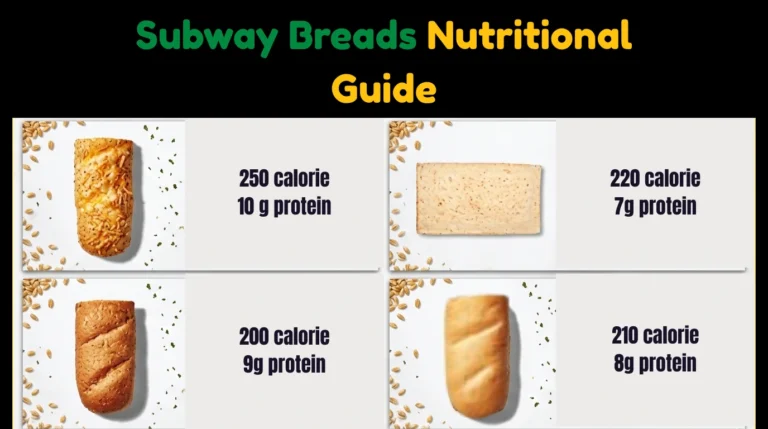
Bread choice affects more than texture; it affects how your blood sugar responds to the whole meal. The Whole grain bread one of the healthiest breads at Subway, keeps the bran and germ of the wheat kernel intact, which means it holds onto more fiber, vitamins, and minerals than refined white bread.
That extra fiber slows down how quickly the carbohydrates in your sandwich turn into blood sugar, helping you avoid the spike-and-crash pattern that leaves you hungry again soon after eating.
Subway’s 9-grain wheat bread is the whole-grain option on the menu. Choosing it over a refined white or specialty bread is a small switch that adds fiber without changing much else about your order.
A Quick Checklist
Next time you’re in line, here’s a simple way to upgrade your order without overhauling it:
- Pick a lean protein – turkey, ham, or chicken and consider a protein bowl or double meat if staying full matters to you
- Load up on vegetables – aim for several different kinds, not just lettuce and tomato
- Choose whole grain bread when it’s available
- Go easy on sauce, or ask for it on the side
- Watch the extra cheese, cured meats, and olives all add sodium
Bottom Line
Calories are a useful starting point, but they’re only one piece of the picture. Two sandwiches with identical calorie counts can behave completely differently in your body depending on their protein, fiber, sodium, and sugar content and those differences add up, both in how satisfied you feel this afternoon and in how your health holds up over the years.
The good news is that the upgrades don’t require a complicated overhaul. They mostly come down to piling on more vegetables, picking a leaner protein, and being a little more mindful of sauce and bread choices.
Do that consistently, and you’ll end up with a sandwich that’s not just lower in calories, but genuinely more satisfying and better for your long-term health.


One Comment